Educational use only (U.S.): This page summarizes general themes from public health research. It is not medical advice, diagnosis, or treatment. Results vary by person. For any health concern, contact a licensed healthcare professional.
Walking is one of the most studied habits in public health—and the big picture is encouraging for many people. Morning light can help your body clock feel anchored. Walking with others can make the habit easier to keep. None of this replaces a doctor when you need one; it is general background for why we like to move outside together.
Straight talk
What research tends to say about morning walks
Studies usually look at averages across many people. Averages can be useful—and they never tell your whole story. Some population studies report associations (not guarantees) between regular walking and measures such as mood, blood pressure, or blood sugar in certain groups. Those findings depend on study design and do not apply equally to everyone. Always follow guidance from your own clinician.
Outdoor morning light is one of the simpler ideas. Light tells your brain “daytime is here,” which can support a more regular sleep schedule for many people. In Oregon winters, a deliberate morning outside can matter even more if your indoor workday keeps you away from daylight.
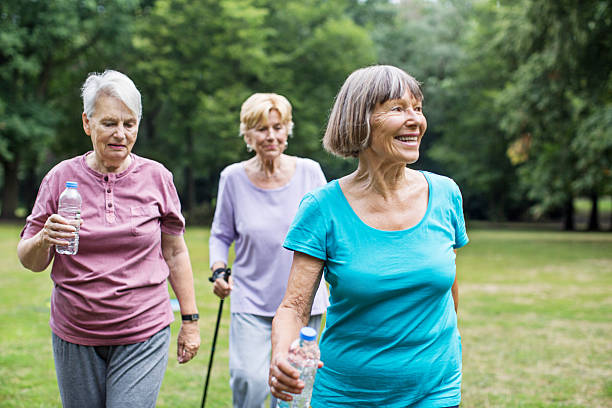
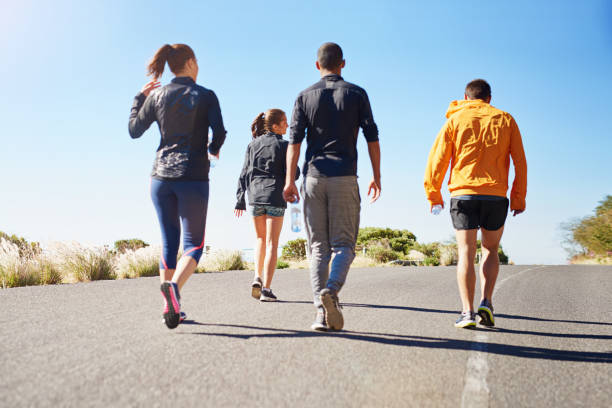
Groups change the habit, not just the step count. Friendly accountability (“see you Tuesday”) and easy conversation make it easier to return week after week. That consistency is often what helps people keep a habit going over time—not a promise of medical outcomes.
Green spaces add another layer people notice in studies: trees, birds, and open views are often linked with people feeling calmer and more focused afterward compared with walking only on busy streets. We are careful not to promise miracles; we do notice people saying they feel less tense after a forest loop.
Again: this page is not medical advice. If you have heart disease, diabetes, pain, pregnancy, or a new injury, ask a clinician what pace and terrain make sense for you. We walk for community and general wellness, and we like science because it keeps our claims modest.
Mind and body
Why varied paths feel easier than a treadmill
Walking uses balance, navigation, and social cues—not just leg muscles. You look around, you adjust to curbs and roots, you talk and listen. That mix keeps your brain engaged in a gentle way.
Stride matters in plain language: if you shuffle with tiny steps, some people feel more joint stress at the same speed. A slightly taller posture and a natural quicker step often feel smoother—only if it stays comfortable and you can still talk.
Mixing flat river miles with short hills changes which muscles work hardest, which many people find kinder than repeating the same motion forever. Parks give that variety for free.
People also say walks help them think through problems without staring at a screen. That matches a simple idea psychologists study: breaks and new scenery can help your brain connect ideas differently.
If someone tells you a single habit “cures” a serious illness in a set number of days, be suspicious. A realistic takeaway is that steady movement, outside when you can, with people you like, is a reasonable healthy habit for many people—and it is not a substitute for medical care.
Health and safety
Easy on your joints
Walking is gentle, but posture still helps. Keep your chin level, shoulders loose, and take normal-length steps. If something pinches or aches, slow down and tell the leader.
Heart rate in plain English
We are not here to push limits. A simple check: you should be able to talk in sentences while you walk. If you cannot, ease up until you can.
Talks and walks
In November we sometimes host a casual morning talk about local air quality and what it means for people who exercise outside. Details go out by email.
FAQ
Why walk in the morning? Many people like a calm start: daylight helps you wake up, and getting movement done early can make the rest of the day feel easier. Your body is not the same as anyone else’s—find what fits your sleep and schedule.
Forest walks and city walks
Some small studies suggest people feel less stressed after walking in green spaces than after walking only on busy streets—but results vary by person and by how researchers measure stress. Our own experience is simpler: a loop through Hendricks Park often feels quieter in the head than the same minutes on a loud road. We share river and forest routes because members enjoy them, not because we can promise a fixed percent improvement for everyone.