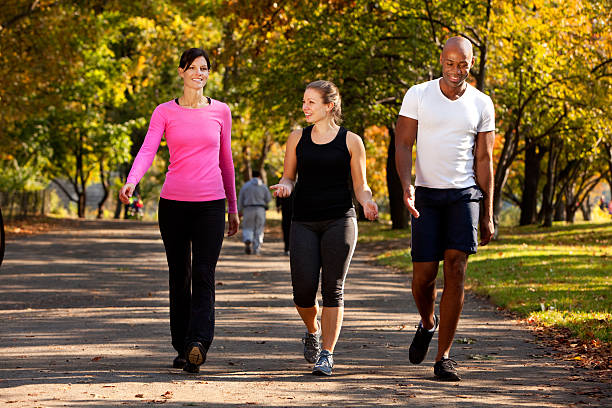
Eugene weather changes fast: mist, drizzle, sun breaks, and wind—sometimes in one morning. Good shoes are the first priority. Look for a comfortable fit, decent cushioning, and tread that grips on wet leaves and pavement. When your feet feel stable, you can pay attention to the walk instead of fixing blisters in your head.
Comfort first
Shoes, socks, and layers that match Oregon
Start with shoes that fit your feet today—not the size you wore ten years ago, and not the pair you only wear to look cute. Walking shoes should flex where your toes bend, hold your heel snugly, and leave a little room because feet swell a bit after you warm up.
Socks matter more than people expect. Cotton stays wet and can rub. Wool or synthetic blends pull moisture away and cut down hot spots. If a seam bothers you on mile one, it will bother you more on mile four—try a different pair.
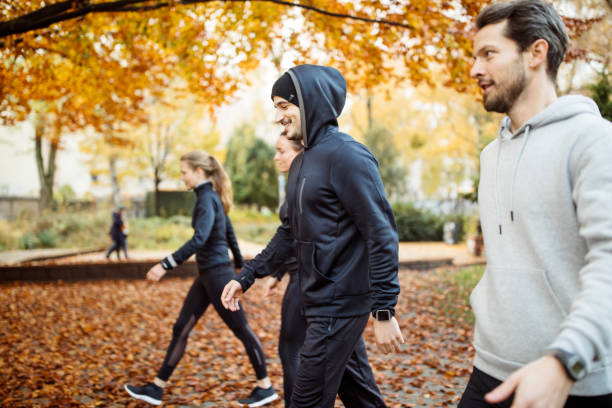
Layers beat one heavy coat. A light base layer, a thin mid-layer, and a packable rain shell cover most mornings. If the sun pops out, you can tie a jacket around your waist instead of overheating.
Be visible at dawn and dusk. A bright hat, a reflective vest, or a small clip-on light helps cyclists and drivers notice you. It also helps you see uneven pavement and tree roots.
Keep gear in good shape: re-waterproof boots before the rainy season, replace worn laces, and retire shoes when the tread is smooth or the cushion feels flat. Predictable gear means fewer surprises on the trail.
What to carry
Water, snacks, and keeping your pack light
Most weekday walks only need a water bottle, keys, a snack, and a light jacket. A small hip pack or daypack works well. Keep the weight close to your body so your shoulders stay relaxed.
In summer, drink more than you think—even when the air feels cool, you still sweat. Wide-mouth bottles are easier to refill and clean. If you use a hydration bladder, rinse and dry the hose often.
Phones are useful for maps and emergencies, but they can steal your attention. On busy paths, many of us skip earbuds so we can hear bikes behind us. Pick a habit that keeps you aware, then stick with it.
Sun protection still matters on cloudy days, especially near bright water. Sunscreen, lip balm with SPF, and a hat fit easily in a pocket.
If money is tight, ask the group what actually worked before you buy duplicates. People love sharing honest notes about gloves, shells, and shoes that survived Oregon mud.
Health and safety
Visibility First
During Eugene's foggy winter months, visibility is low. We advise wearing high-contrast colors or small reflective clips. Safety is a collective responsibility on our shared Oregon roads.
The Layering Logic
Avoid heavy cotton. Use moisture-wicking base layers that pull sweat away from the skin. A light, breathable shell is perfect for our 7:00 AM starts at Spencer Butte.
The Gear Calendar
Seasonal Checks
Spring: Waterproof shoe treatments.
Summer: UV-rated lightweight hats.
FAQ
Are hiking boots necessary? For urban paths, no. High-quality walking shoes offer better flexibility for the stride.
Small extras that help
A refillable water bottle is useful on warm days. If you like numbers, a simple watch or phone step count can be fun—just do not let it ruin a good conversation. Pick gear that feels comfortable on your body so you stop thinking about it and start noticing the park.